
- Celebricare
- March 14, 2025
- Health & Wellness
Emotional Triggers - KAPOW!
Have you ever had a seemingly minor event cause an unexpectedly intense emotional reaction? Perhaps your partner's casual comment left you fuming, or a friend's canceled plans sent you into a spiral of insecurity. If so, you've experienced what psychologists call an emotional trigger.
What Are Emotional Triggers?
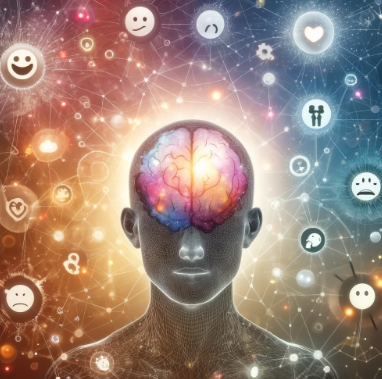
Emotional triggers are stimuli that evoke intense, often disproportionate reactions based on past experiences. They're like hidden buttons that, when pushed, can instantly transport us from a state of calm to one of distress, anger, shame, or fear.
What makes triggers so challenging is that they operate below the surface of our conscious awareness. We often don't recognize we're being triggered until we're already in the midst of an emotional reaction.
The Anatomy of a Trigger
A trigger typically involves these elements:
- A current event (something happening in the present)
- A past wound (an earlier painful or traumatic experience)
- Pattern matching (your brain connecting the current event to the past wound)
- An emotional response (feelings arising from the perceived threat)
- A behavioral reaction (what you do when triggered)
Common Types of Emotional Triggers
Rejection Triggers
Activated by perceived exclusion, dismissal, or abandonment.
Example: A delayed response to your message makes you feel unimportant or forgotten.
Criticism Triggers
Sparked by perceived judgment, disapproval, or fault-finding.
Example: A suggestion about how to improve something feels like an attack on your competence.
Control Triggers
Activated by feeling pressured, confined, or having choices restricted.
Example: Someone telling you what to do reminds you of times your autonomy was violated.
Betrayal Triggers
Sparked by perceived disloyalty, dishonesty, or broken trust.
Example: Finding out someone spoke about you to others makes you feel deeply unsafe.
Inadequacy Triggers
Activated by situations that make you feel "not enough" or deficient.
Example: Being around highly accomplished people triggers feelings of shame about your own achievements.
Injustice Triggers
Sparked by perceived unfairness or inequitable treatment.
Example: Seeing someone get special treatment reminds you of times you were treated unfairly.
How to Recognize When You're Being Triggered
The first step in managing triggers is recognizing when they're happening. Here are some signs that you might be in a triggered state:
- Rapid heartbeat
- Shallow breathing
- Tension in your body
- Feeling hot or flushed
- Nausea or "butterflies"
- Dizziness
- Disproportionate emotional response
- Feeling suddenly "flooded"
- Black-and-white thinking
- Difficulty concentrating
- Feeling younger than your age
- The situation feels intensely personal
Important Note
Being triggered isn't a sign of weakness or emotional immaturity. Triggers develop as protective mechanisms in response to past hurts. Your brain is trying to keep you safe, even if its method is outdated.
A Framework for Managing Triggers
Managing triggers is a skill that can be developed with practice. Here's a step-by-step approach:
When you notice signs of being triggered, your first job is to calm your nervous system:
- Take several deep breaths, focusing on a long exhale
- Name what you're feeling ("I'm feeling angry right now")
- Connect with your physical surroundings (name 5 things you can see)
- If needed, take a short break from the situation
This step helps move you from reactive mode (fight/flight/freeze) to responsive mode where you have more choices.
Once calmer, try to identify what specifically triggered you:
- What was happening just before you felt upset?
- What words, actions, or circumstances set off your reaction?
- Does this remind you of something from your past?
This awareness helps separate the present situation from past wounds.
Reality-test the current situation:
- Ask yourself: "Is this actually like that past situation, or just similar in some way?"
- Consider: "What's different about now versus then?"
- Remind yourself: "I have resources and abilities now that I didn't have then"
This step helps you respond to what's actually happening rather than reacting to ghosts from the past.
From this more centered place, you can choose how to respond:
- Communicate your feelings using "I" statements
- Set a boundary if needed
- Ask clarifying questions
- Take time for further reflection before responding
This step puts you back in control of your actions rather than letting the trigger dictate your behavior.
Healing Your Triggers in the Long Term
While the above techniques help you manage triggers in the moment, deeper healing is possible through:
Self-Compassion
Treat yourself with the same kindness you would offer a good friend when you get triggered. Remember that triggers develop for a reason—they're not character flaws.
Pattern Recognition
Keep a trigger journal to identify patterns in what situations, people, or circumstances consistently trigger you, and what specific emotions arise.
Professional Support
A skilled therapist can help you process the underlying wounds that created your triggers in the first place, reducing their power over time.
A Healing Perspective
Your triggers can become doorways to deeper self-understanding and healing. Each time you respond to a trigger with awareness rather than reactivity, you're rewiring neural pathways and creating new possibilities for your relationships.
Understanding your emotional triggers isn't just about avoiding blowups—it's about freeing yourself from patterns that limit your connections with others. With practice and patience, you can transform your triggers from sources of suffering into opportunities for growth and deeper connection.
Comments